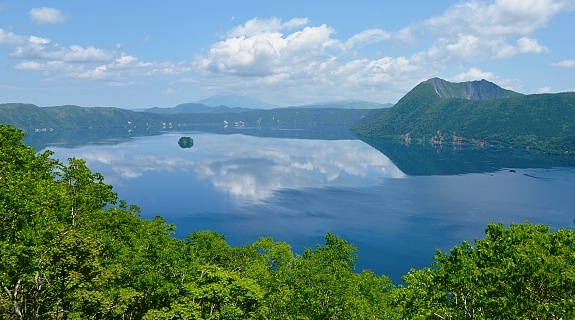
Some people just think about Tokyo when they visit Japan, but for me, the most amazing area that I have never visited is Hokkaido. In many aspects this island is forgotten because it's closer to Russia and the population is very small. However, the rich history of the Ainu live in Hokkaido and their sacred lake, Lake Akan is one of the most pristine lake systems in the world.
It's so clean that the moss known as "Marimo" shapes itself into a ball. For decades it baffled biologists on why this happens only in Akan. It turns out that the constant flow of water in the lake system keeps the water clear and the moss rolling.
But that's not why I write about Lake Akan today. I write about it because this lake also hosts some of the most revered carp. Lake Akan Carp is probably the most tastiest fish in the river systems. That's because the water is so untouched that the carp live their entire lives in clear pristine waters.
Obviously Americans will tell you that carp tastes muddy and complain that its a bad fish. However, they are referring carp in their local ponds. Imagine if you specifically eat carp based on a revered lake? So clean that it is a national treasure in Japan?

Unlike rural America, Japan has a history of cherishing its carp. And it starts from childhood. What brought my attention to carp in Lake Akan was Iron Chef Japan. When Iron Chef Chen Kenichi took a couple of live carp and made it into some of the most delicious looking fish in history.
Well it turns out that hotels in Lake Akan do the same. And they take no shame in listing carp on the menu. And why not? I have eaten carp many times and find it delicious. What rural Americans think has no weight in my book. That's because the world is just much bigger than them.
And if some of these people who refuse to eat carp saw what happens overseas. Maybe they'll show some more respect for the invasive Asian Carp in our waters in America. I'm all for reducing the population but the only way to do this is to respect the fish as food and to remember that the Great Lakes are just as pristine and beautiful in which we should appreciate good tasting sustainable fish.


No comments:
Post a Comment